
Basic Service
$89 starting · per visit
- Diagnostic visit
- Written estimate
- Same-day scheduling
- 30-day warranty

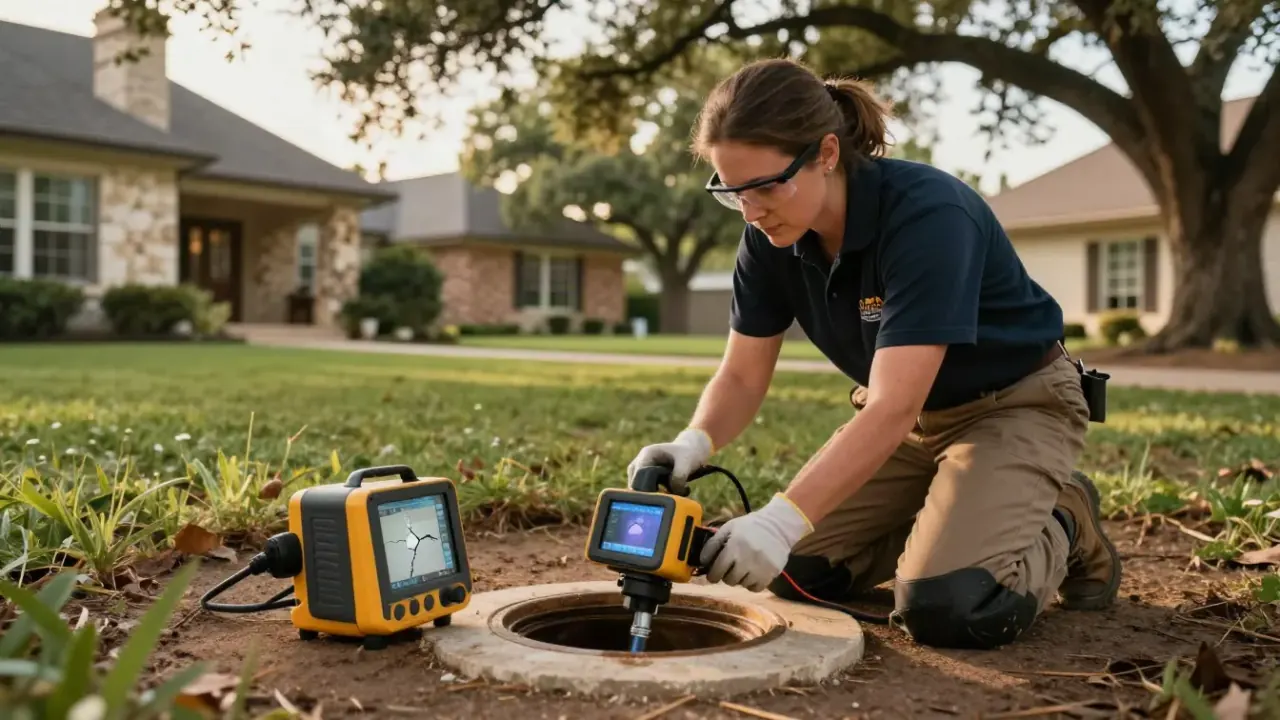
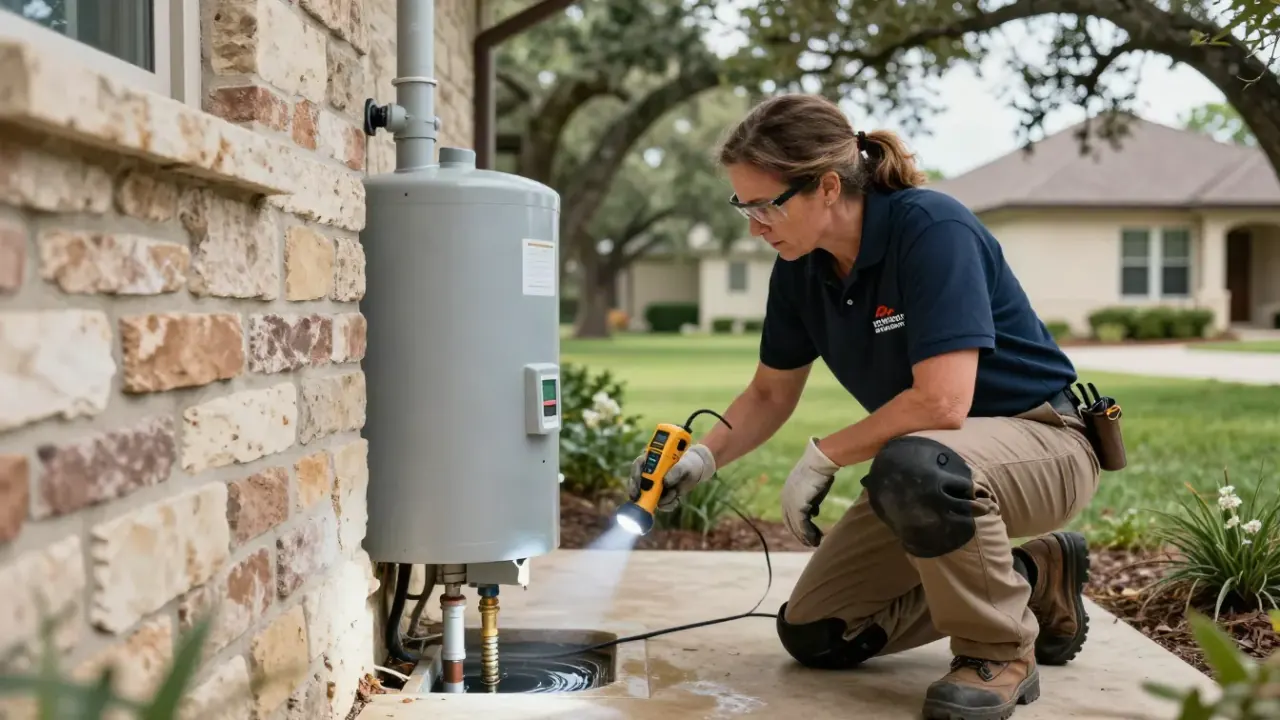
Great Hills sits on limestone bedrock under a layer of clay soil that swells when it rains and shrinks when it doesn't. That movement stresses the PVC pipes, PEX tubing, and copper pipes running under your slab, and it's why we treat Great Hills leak detection differently than a flat neighborhood. We serve homeowners from the Arboretum down through Northwest Hills and out toward Spicewood Springs, and we've learned where the trouble hides. Slab leaks show up along the west-facing walls where the afternoon sun bakes the foundation. Pipe leaks cluster in homes built in the 1980s and 1990s with original copper that's now pinhole-leaking. Sewer line leaks follow the mature oak and cedar elm roots that push through joints looking for water. Our technicians carry a moisture meter, a thermal imaging camera, an acoustic leak detector, and hydrostatic testing equipment on every truck, so we can confirm the leak before we quote the repair. If you've been searching for leak detection near Great Hills and getting generic answers, we'll show you the reading on the meter and tell you what it means.
Great Hills generates a specific mix of leak calls: slab leaks in the older ranch homes, water line leaks under the big lots, and sewer line leaks where tree roots have had decades to work into the joints. If you've been hunting for leak detection in Great Hills TX near me and want a straight answer, we run the full range of detection services here, from non-invasive thermal imaging to hydrostatic pressure testing. Every service below is delivered in Great Hills by our own licensed techs, not subcontracted out.
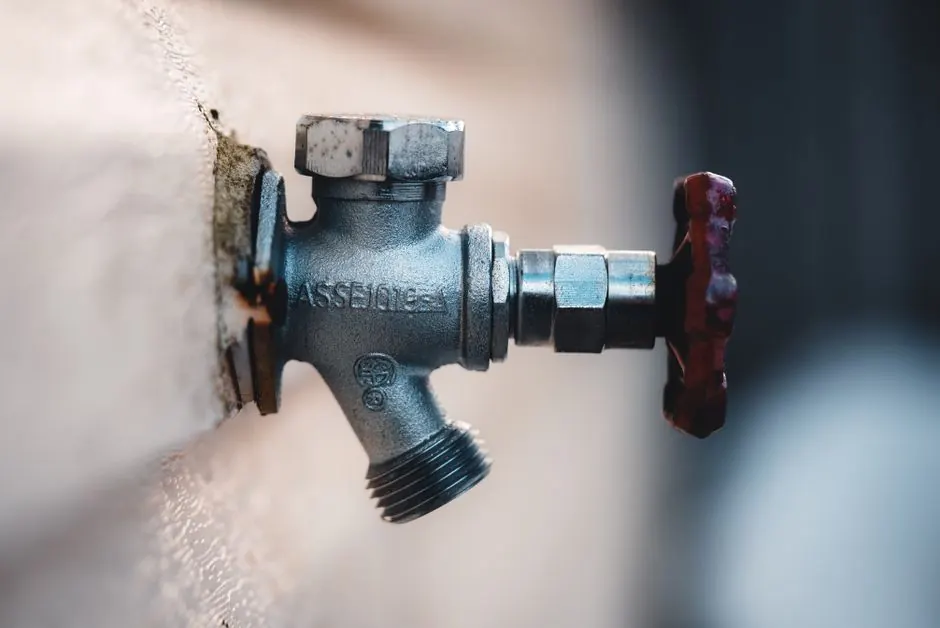

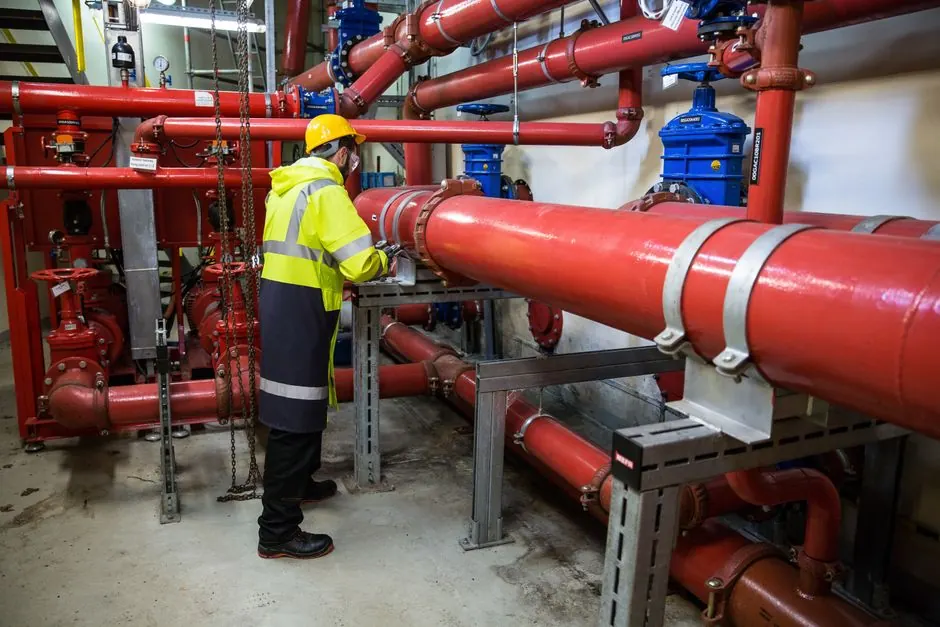


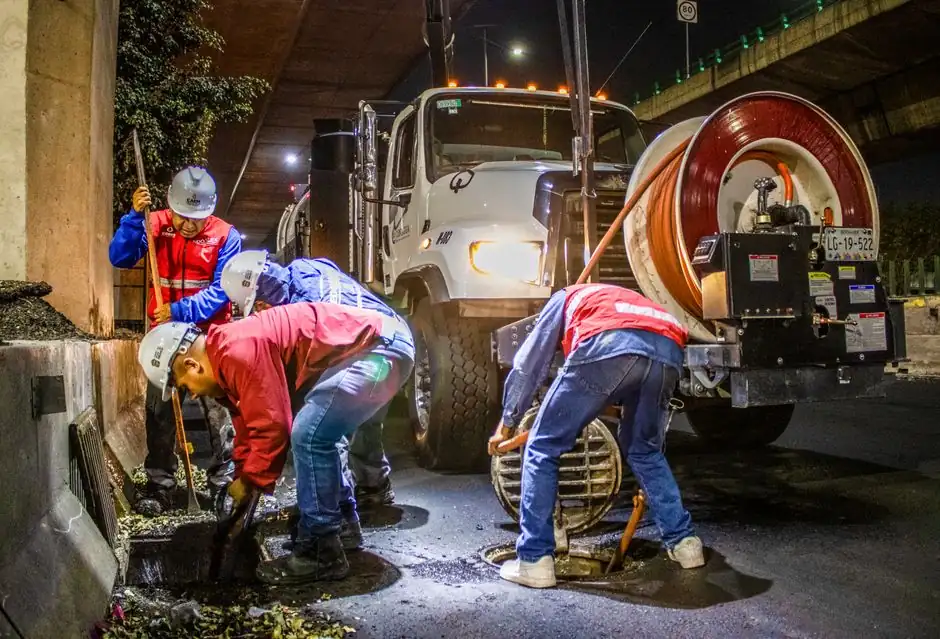
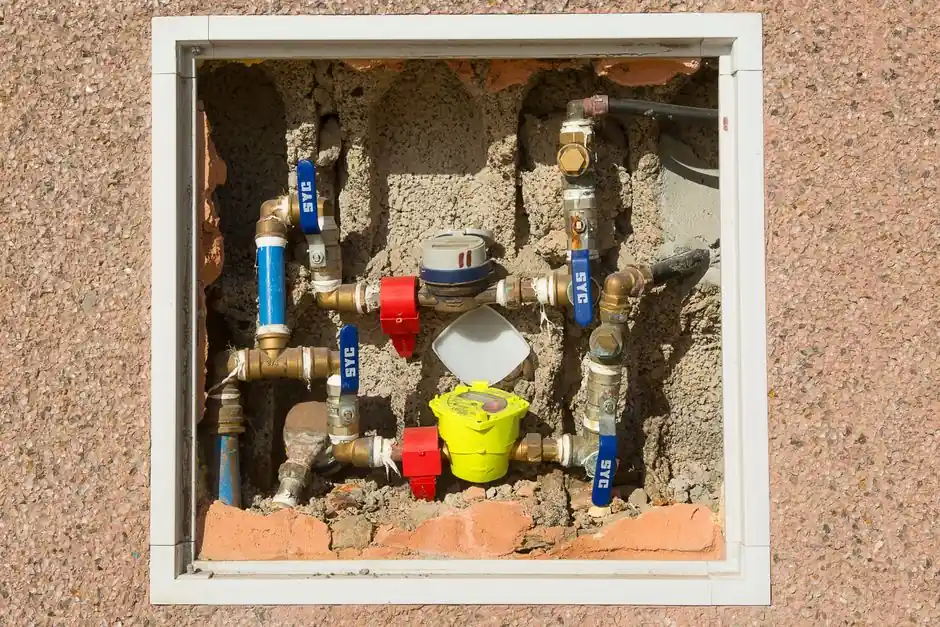











Great Hills has a specific set of leak problems driven by its soil, its trees, and the age of its plumbing. We see the same issues over and over, and we know how to find them fast.
The clay soil in Great Hills expands when wet and shrinks when dry, which flexes the slab and stresses the copper pipes running through it. After a wet spring or a dry summer, we get a wave of slab leak calls.
The mature oaks and cedar elms in Great Hills have root systems that seek out the moisture in sewer lines. Roots enter at joints, crack the pipe, and create blockages and leaks. This is a year-round problem here.
Many Great Hills homes sit on sloped lots, and the main water line runs downhill from the meter. A leak at the top of the slope can travel underground and surface far from the actual break, making it hard to find.
The original copper pipes in Great Hills homes are now 30 to 40 years old. Minerals in the water and decades of pressure cycles cause pinhole leaks, often in the attic or behind walls where you don't see them until damage is done.
Leaks don't always announce themselves with a puddle. In Great Hills, the hilly terrain and slab construction mean water can travel a long way before you see it. If you've been searching for affordable leak detection services in Great Hills TX, here are the signs that tell you it's time to call.
Water bill jumped without more usage
A sudden spike in your water bill with no change in habits is the clearest sign of a hidden leak. In Great Hills, this is often a slab leak or an underground line leak. Check your meter with everything off; if it's still spinning, call us.
Warm spots on the floor
A warm spot on a tile or concrete floor usually means a hot water line is leaking under the slab. The heat is the water escaping. This is common in Great Hills homes with original copper lines, and it gets worse the longer you wait.
Musty smell in a room with no visible water
A musty odor in a bedroom or hallway often means moisture is trapped in the walls or under the floor. In Great Hills, this can be a drain leak or a slow supply line leak. A moisture meter will tell us if it's active.
Cracks in the drywall or foundation
Shifting soil and slab leaks both cause cracks. If you see new cracks in drywall corners or along the foundation, it's worth checking for a leak before you assume it's just soil movement. We can tell the difference.
Sound of running water when everything is off
If you hear water moving through the pipes when no fixture is on, you have a leak. In Great Hills, this is often a toilet flapper or a slab leak. We use acoustic detection to isolate the sound and find the source.
Typical 2026 pricing for leak detection in Great Hills runs $180 to $450 for a standard residential call, depending on how complex the system is and how many lines we need to test. Slab leaks and underground line leaks sit at the higher end because they take longer to pinpoint. Water heater and toilet leaks are usually at the lower end. If you need emergency leak detection in Great Hills TX after hours, there's an after-hours fee, but we tell you what it is before we dispatch. We quote the detection upfront, and if you book the repair with us, we credit the detection fee toward the repair.
Basic Service
$89 starting · per visit
Standard Repair
$249 average job
Premium Care
$499 annual plan
Great Hills is hilly and the streets wind, so we use landmarks to orient our routes and give you an accurate arrival window. If you're near the Arboretum, we know which entrance to use. If you're off Spicewood Springs Road, we know which side of the road has the easier parking. These details save time when you've got water running across the floor.
A major shopping and office complex at the intersection of US-183 and Loop 360. We use it as a north-side orientation point when routing to addresses in the 78759 ZIP code.
Located off Spicewood Springs Road, this is a central reference for the residential streets west of US-183. It helps us identify which side of the hill an address sits on.
The main east-west artery through the area. We use it as our primary route between Great Hills, Northwest Hills, and the Spicewood Springs neighborhood.
Plus surrounding Travis County neighborhoods, with same-day routing on most appointments.
Averaging 4.9 / 5 across verified reviews.
“We had a slab leak and I was dreading the repair. The tech showed up on time, ran a hydrostatic test, and showed me the pressure gauge dropping. He found the leak within 6 inches of where he predicted. The repair was done the same day and the floor is dry. Worth every penny.”
Mark T.
Great Hills
“Our water bill doubled and we couldn't find the leak. Austin Leak Experts came out, used a thermal camera, and found a pinhole leak in a copper line under the kitchen. They fixed it in about two hours and the bill went back to normal. They also cleaned up better than they found it.”
Sarah L.
Northwest Hills
“Called at 10 p.m. with water coming out from under the baseboard. They had a tech here in 45 minutes. He shut off the water, found the leak with an acoustic detector, and stabilized everything. Came back the next morning to do the repair. Professional and calm under pressure.”
James R.
Spicewood Springs
Great Hills weather swings from hot, dry summers to wet springs, and that cycle drives our leak detection calendar. Here's what to expect each season and what you can do about it.
Spring rains saturate the clay soil, which swells and puts pressure on slabs and underground lines. This is when we see the most slab leaks and foundation leaks in Great Hills. If your yard has standing water, that's a clue.
Tip: Check your water meter after a heavy rain. If it's still spinning when everything is off, you have a leak. Call us before the soil dries and the leak gets harder to find.
The soil dries and shrinks, which can pull pipes and open joints. Pinhole leaks in copper are common in summer, and irrigation systems run constantly, so water line leaks show up more often. Water bills spike this time of year.
Tip: Watch your water bill in July and August. A sudden jump usually means a leak. We can run a full detection and find it before the next bill hits.
Fall is when tree roots are actively growing and seeking water, so sewer line leaks from root intrusion peak. The soil is still warm, which makes acoustic detection work well. This is a good time to get a preventative inspection.
Tip: If you've had slow drains or gurgling sounds, get a video camera inspection before winter. Roots don't stop growing, and a small intrusion becomes a full blockage fast.
Hard freezes are rare in Great Hills, but when they happen, exposed pipes in attics and garages can freeze and burst. We also see water heater failures in winter because the tank works harder. Emergency calls go up during cold snaps.
Tip: Before a freeze, disconnect garden hoses and insulate exposed pipes. If a pipe does burst, shut off the main and call us. We run 24/7 emergency leak detection in Great Hills TX.
Great Hills sits in Northwest Austin, and we cover leak detection calls across the surrounding neighborhoods and into Central Austin. If you're just outside Great Hills, we can still get to you, usually within the same day.
(City)
About 20 minutes southeast via US-183 and MoPac. We run calls downtown for commercial and high-rise residential leak detection.
View Downtown Austin(City)
Roughly 15 minutes south via Loop 360 and Westlake Drive. Tarrytown's older homes have similar slab leak issues to Great Hills.
View Tarrytown(City)
About 20 minutes southeast through MoPac. Hyde Park's historic homes have galvanized and cast iron plumbing that we frequently inspect.
View Hyde Park(City)
Around 18 minutes south via MoPac. We handle slab leaks and water line leaks in the older homes here.
View Old West Austin(City)
About 25 minutes southeast via US-183 and Airport Boulevard. We cover sewer line and drain leak calls in this neighborhood.
View Cherrywood(City)
Roughly 25 minutes south via I-35. We serve commercial and residential leak detection calls in this East Austin neighborhood.
View East Cesar ChavezReal answers from our team for the questions we hear most often before a job starts.
If you've got water where it shouldn't be, don't wait. We're licensed, insured, and we've got the tools to find the leak without tearing your house apart. Call us and we'll show you the reading on the meter before we recommend a repair. We serve Great Hills, the Arboretum, Northwest Hills, and Spicewood Springs, and we can usually be there the same day.
We invite you to reach out for all your leak detection needs. Our team is available for consultations and can respond quickly to emergencies.
Phone
+15127299089Address
1023 Springdale Rd, Austin, TX 78721, USA
Hours
Mon–Fri: 7AM – 7PM
Sat: 8AM – 4PM
Sun: Emergency Only
24/7 Emergency Available